Hanyu Frontier
Structural Heart Disease
Frontier Explorer
NEW OPPORTUNITIES FOR INNOVATIVE INVESTMENT IN
STRUCTURAL HEART DISEASE
STRUCTURAL HEART DISEASE

Structural Heart Disease
Frontier Explorer
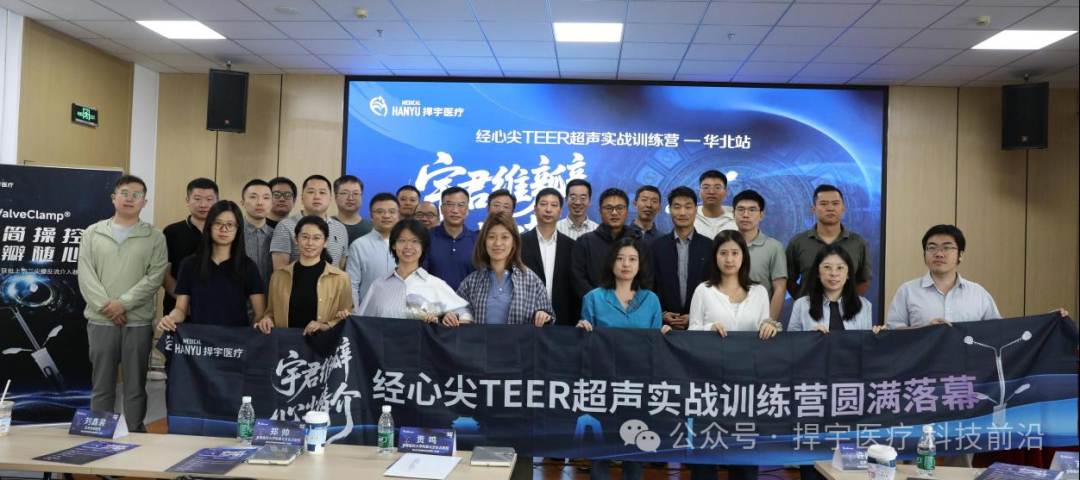
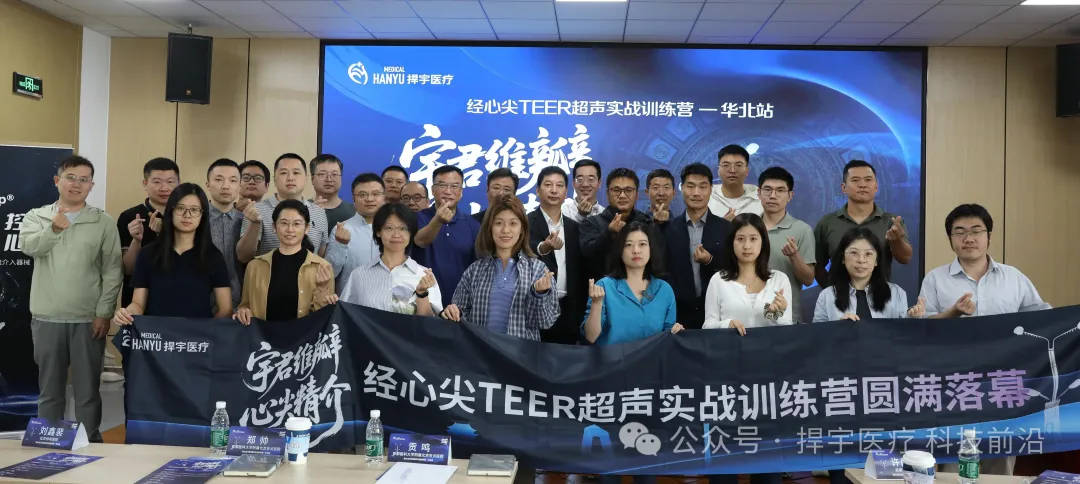
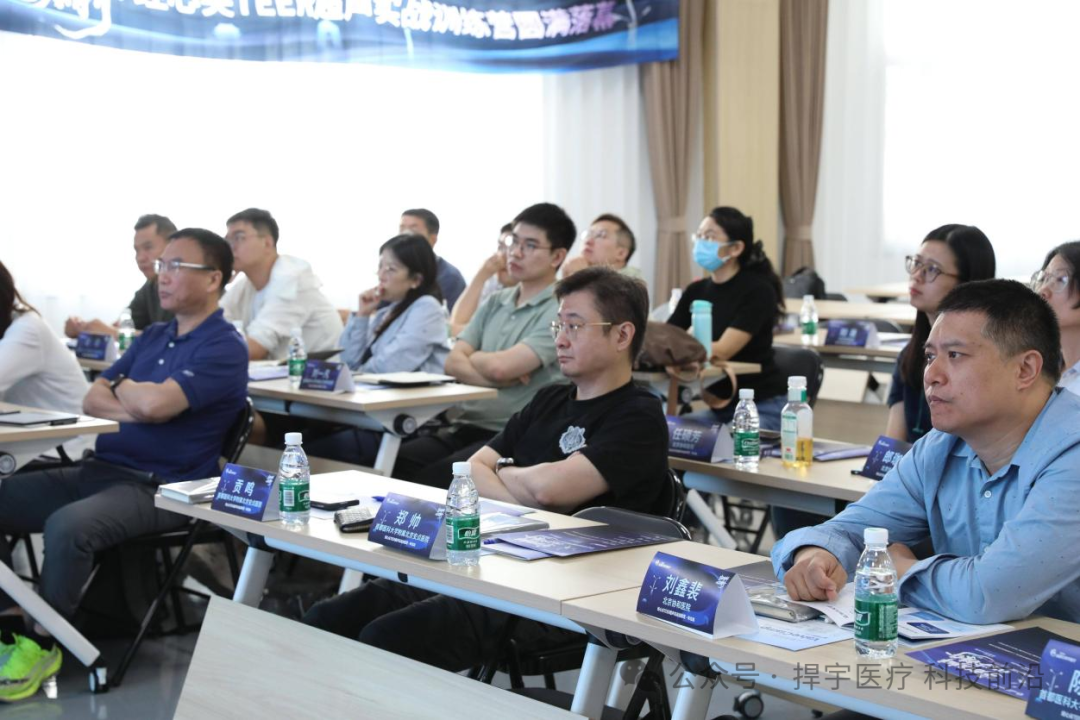
On September 20, 2025, the 4th session of the “Yujun ValveCare · Transapical Excellence” Transapical TEER Ultrasound Hands-on Training Camp, organized by Hangyu Medical, was successfully held in Beijing.
With the rapid advancement of cardiovascular intervention technologies, heart valve surgery has become a critical treatment for valvular heart diseases. Meanwhile, ultrasound imaging, often referred to as the “navigator” of structural heart interventions, plays a decisive role in ensuring procedural precision and success.
The Beijing session specially invited Professor Li Wei, a leading expert in cardiovascular ultrasound, to deliver an in-depth lecture.
Prof. Li provided a systematic analysis of key ultrasound applications in preoperative assessment, intraoperative guidance, and post-clip evaluation for transapical TEER (TA-TEER) procedures.
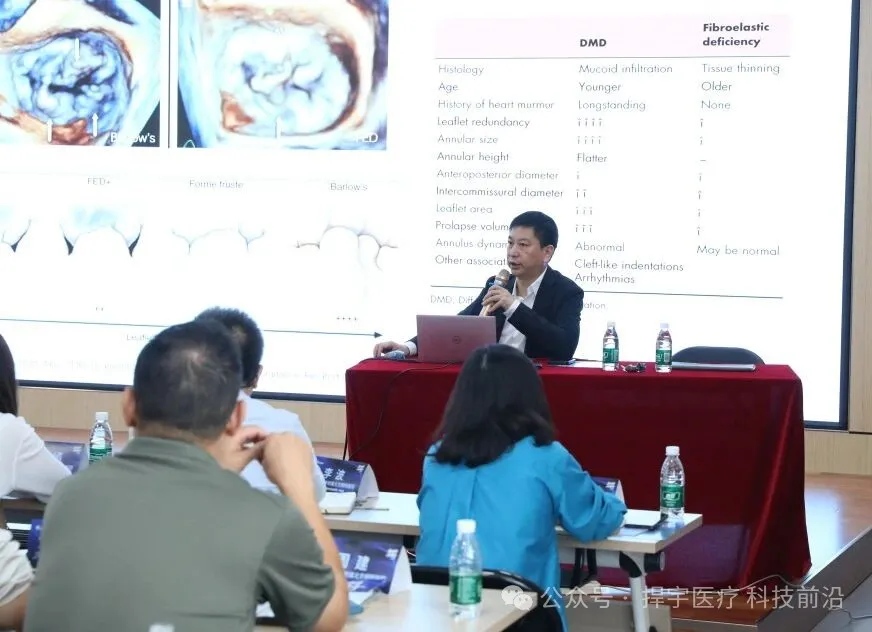
Speaker: Professor Li Wei
Department of Cardiac Ultrasound, Zhongshan Hospital, Fudan University
Member, Ultrasound Expert Committee of the National Structural Heart Disease Quality Control Center
Fellow, Asia-Pacific Structural Heart Youth Club
Instructor, Interventional Echocardiography Imaging Training Program
Prof. Li specializes in echocardiographic imaging and intraoperative guidance for LAAC, TAVR, TEER, TMVR, and TTVr procedures.
He co-authored several national expert consensuses, including:
Chinese Expert Consensus on Echocardiographic Evaluation for Mitral Regurgitation Intervention
Chinese Expert Consensus on Echocardiographic Evaluation for Tricuspid Regurgitation Intervention
Clinical Pathway for Transcatheter Mitral Edge-to-Edge Repair in China
Opening the session, Prof. Li delivered a clear and insightful lecture on echocardiographic techniques for TEER.
In preoperative assessment, he elaborated on the acquisition of standard, biplane, and Multivue imaging planes, emphasizing the integration of static/dynamic imaging, color Doppler flow mapping, and 3D echocardiography to precisely identify MR origin and guide patient selection and procedural planning.
For intraoperative guidance, Prof. Li explained critical views and imaging landmarks for apical puncture and clip deployment, helping participants understand how to leverage real-time imaging for precise device navigation and risk reduction.
In intraoperative evaluation, he demonstrated how to use standard views to assess clip grasping quality, detect residual MR, and optimize procedural outcomes — illustrating each concept with rich clinical examples.
He also reviewed the correlation between mitral valve anatomy classification and surgical strategy, providing attendees with a deeper understanding of how to translate echocardiographic findings into optimal procedural decisions.
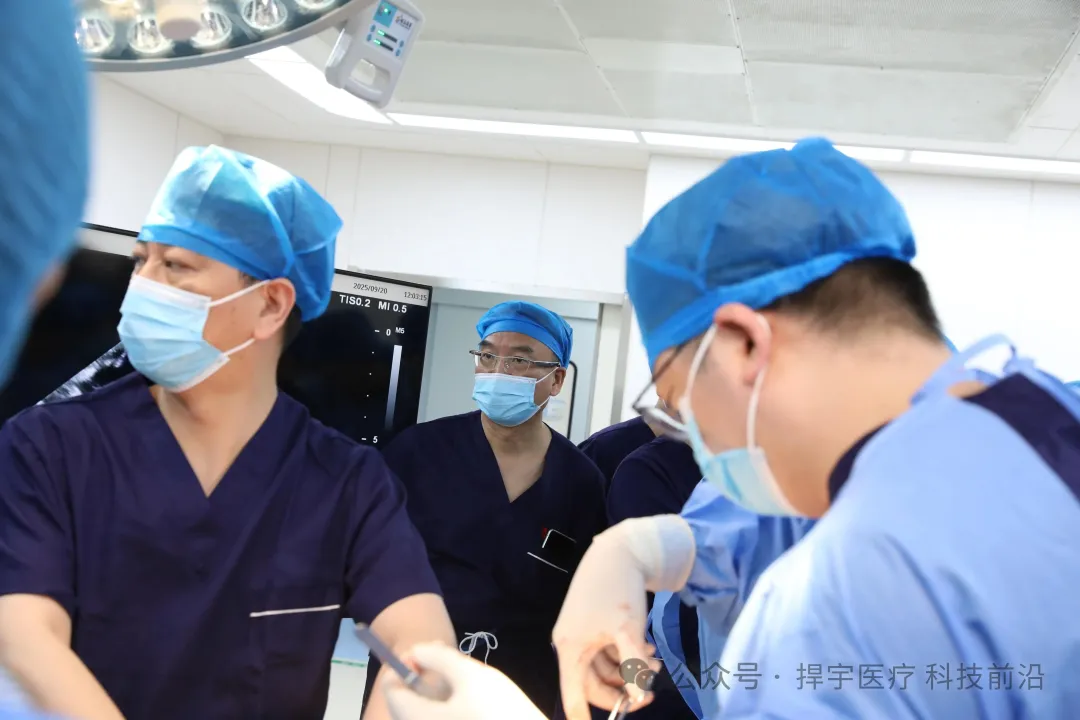
The afternoon session focused on simulation-based ultrasound training.
Participants practiced on real imaging systems and high-fidelity simulators, performing key procedural steps such as:
TEE standard view acquisition
MR jet origin and direction identification
Clip positioning and dynamic tracking
Real-time assessment of grasping and residual MR
Under close instructor supervision, trainees engaged in immersive, hands-on learning, integrating morning theory into practical skillsets.
This experience reinforced the complete workflow from image interpretation to procedural execution, laying a solid foundation for independent clinical practice.

Following a day of intensive learning and practice, the training camp concluded with a certificate ceremony.
Graduates received official completion certificates — a recognition of their dedication and progress, and a symbol of their advancement toward becoming the next generation of structural heart imaging specialists.
Participants shared that the training significantly enhanced both their theoretical knowledge and hands-on skills, empowering them to apply these competencies in future clinical work to benefit more patients.
Moving forward, Hangyu Medical will continue to collaborate with leading clinical centers nationwide, expanding the “Yujun ValveCare” academic platform.
Together, we aim to promote standardized, image-guided practice of transcatheter valve interventions and support the growth of interventionists — driving the field into a new era of precision medicine.



TEL: 021-6219 9996
ADD:Building 14, Gemdale Weixin Technology Park, 1288 Zhongchun Road, Minhang District, Shanghai